

IMEMR
EMRO
Volume 7, Issue 1 (2026)
J Clinic Care Skill 2026, 7(1): 15-20 |
Back to browse issues page
Article Type:
Subject:




History
Received: 2025/11/22 | Accepted: 2025/12/28 | Published: 2026/01/15
Received: 2025/11/22 | Accepted: 2025/12/28 | Published: 2026/01/15
How to cite this article
Mohammadhoseini A, Momtahan E, Mansourian A. Propofol vs. Dexmedetomidine Sedation in Post-Cholecystectomy Patients. J Clinic Care Skill 2026; 7 (1) :15-20
URL: http://jccs.yums.ac.ir/article-1-464-en.html
URL: http://jccs.yums.ac.ir/article-1-464-en.html
Download citation:
BibTeX | RIS | EndNote | Medlars | ProCite | Reference Manager | RefWorks
Send citation to:


Rights and permissions
BibTeX | RIS | EndNote | Medlars | ProCite | Reference Manager | RefWorks
Send citation to:


1- “Department of Anesthesiology, Faculty of Medicine” and “Clinical Research Development Unit Shahid Jalil”, Yasuj University of Medical Science, Yasuj, Iran
2- Student Research Committee, Yasuj University of Medical Science, Yasuj, Iran
2- Student Research Committee, Yasuj University of Medical Science, Yasuj, Iran
Full-Text (HTML) (130 Views)
Introduction
Surgery can be painful and stressful for patients due to complications. In the late 20th century, with the introduction of laparoscopic surgery, significant progress was made in reducing these complications [1]. The use of laparoscopic surgery has reduced pain and shortened the recovery period for patients [2]. Several factors influence complications, pain, and restlessness in patients post-surgery. One of these factors is the type of anesthetic used. The drugs used to induce anesthesia can elicit endocrine, immunological, and metabolic responses in patients [3]. Therefore, a key issue in modern anesthesia is the appropriate selection and management of anesthetic agents for postoperative sedation to prevent potential complications in patients [4].
Propofol is one of the most commonly used drugs for general anesthesia. This intravascular anesthetic is highly lipid-soluble, with a half-life of 2–8 minutes. Even after two and a half hours of anesthesia with this drug, patients continue to excrete the drug and its metabolites for up to sixty hours. Less than one percent of the drug is excreted unchanged in the urine, and only two percent is excreted in the stool [5]. Propofol inhibits the release of acetylcholine in the hippocampus and prefrontal cortex. Its hypnotic activity is mediated by increasing the flow of chloral GABA by binding to the beta subunit of the GABA receptor. Propofol also has a depressant effect on spinal neurons. The feeling of well-being in patients after propofol administration is associated with increased dopamine concentration in the nucleus accumbens [6, 7]. Additionally, propofol can be used to induce moderate to deep sedation during surgeries performed under spinal and epidural anesthesia; however, in some patients, spinal or epidural anesthesia can cause anxiety, increased heart rate, or feelings of restlessness [6]. One of the side effects of propofol is respiratory depression. The most significant effect of propofol is a decrease in arterial blood pressure during the induction of anesthesia, leading to hemodynamic changes in the patient [8].
Another drug used for patient anesthesia is dexmedetomidine, an alpha-2 agonist primarily employed for anesthesia and pain relief. Alpha-2 agonists offer several advantages, including hypnotic, sedative, sympatholytic, analgesic, and anti-anxiety properties, along with reduced norepinephrine levels, all without causing significant respiratory depression. Consequently, in recent years, alpha-2 agonists have gained favor in anesthesia practice due to these aforementioned characteristics. Dexmedetomidine has a half-life of approximately 2 hours, classifying it as a relatively short-acting drug. The primary route of excretion for this drug is via the urine [9, 10]. Positive effects of low-dose dexmedetomidine infusion have been reported for pain relief following laparoscopic cholecystectomy [11-13]. Dexmedetomidine is commonly used for sedation in intensive care units and during surgical procedures. It provides rapid sedative effects while preserving respiratory function, distinguishing it from other sedatives [14]. Administering dexmedetomidine before anesthesia induction can reduce patient anxiety and stress and may produce a sedative effect comparable to midazolam [15]. Furthermore, dexmedetomidine facilitates analgesia and anesthesia, mitigates the severity of postoperative pain and nausea [11, 16], and possesses a more potent analgesic effect than propofol [17]. However, this drug can decrease arterial pressure and heart rate at lower doses and may increase blood pressure at higher doses [18].
Studies by Yang & Gao [19] and Verma et al. [20] indicate that dexmedetomidine alone produces longer and more pronounced sedative effects than propofol. However, in the study by Srivastava et al., propofol at a higher dose demonstrates a sedative effect similar to dexmedetomidine [21].
Given the significant advancements in medical science, the use of anesthetic drugs with minimal side effects is crucial. Furthermore, given the wide array of anesthetic drugs available, selecting one that provides superior sedation during anesthesia is important. Therefore, given conflicting results from studies comparing these two interventions, the present study aimed to determine and compare the effects of propofol and dexmedetomidine infusions on sedation in the recovery room among patients undergoing cholecystectomy.
Materials and Methods
Design and sample
The present single-blind clinical trial was conducted on patients undergoing cholecystectomy surgery at Shahid Jalil Hospital, Yasuj, during 2023-2024.
The inclusion criteria were age over 18 years, candidacy for elective laparoscopic cholecystectomy under general anesthesia, and ASA class 1 or 2. The exclusion criteria included a history of addiction, emergency surgery, pregnancy or breastfeeding, hypertension, chronic liver disease, diabetes, renal failure, endocrine problems, rheumatic diseases or malignancy, the need for concomitant surgery, and recovery time exceeding 45 minutes.
Based on similar studies [22] and assuming parameter values s12=38.44 and s22=51.92, with α=0.05 and β=0.2, respectively, and a mean difference d=5, the sample size was estimated at 29. Considering a 10% dropout rate, the final sample size in each group was determined to be 35 patients.
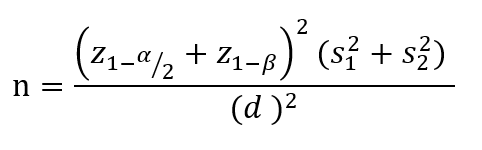
Patients were randomly assigned to two groups receiving propofol or dexmedetomidine using a random number table generated in Excel.
Instrument
A form was used to collect and record patients’ information. The first part of the form included demographic information, such as age and gender, as well as patients’ clinical information, including a history of underlying disease and medications. The second part concerned the outcomes of the intervention, namely the patient's level of sedation in the recovery room.
The level of agitation and sedation in patients was measured using the Richmond Agitation-Sedation Scale (RASS). The English version of this scale was developed by Ely et al. at Virginia Commonwealth University in Richmond and is used to assess patients’ levels of consciousness, agitation, and sedation. The scale consists of 10 levels, graded from -5 (unawakenable) to 4 (aggressive). It can be assessed in three simple steps and uses precise criteria to determine the level of sedation and arousal. The duration of eye contact after verbal stimulation is considered the main criterion for adjusting the level of sedation. Positive scores (4 to 1) indicate agitation and restlessness in varying degrees, from 4 (aggressive) to 1 (restless). A score of zero indicates alertness and calmness. Negative scores (-1 to -5) indicate different degrees of sedation. -1 indicates “drowsiness and confusion,” and -5 indicates “no response to any stimulus.” This tool has the necessary validity and reliability to measure patients’ levels of restlessness [23]. In Iran, it was also translated into Persian by Tadrisi et al., and its validity and reliability were confirmed [24].
The intervention consisted of administering propofol and dexmedetomidine. After patients entered the operating room, standard monitoring was initiated. This included electrocardiography, pulse oximetry, noninvasive sphygmomanometry, capnometry to monitor respiratory CO2 changes, and bispectral index (BIS) electroencephalography to monitor brain status. For all patients, oxygenation was administered with 100% O2 via an oxygen mask at a flow rate of 5L/min for 3 minutes. Anesthesia was induced using midazolam (0.05mg/kg; Iran Shimi Daru Co.), fentanyl (2µg/kg; Iran Abu Raihan Co.), sodium thiopental (4mg/kg; Trita, Germany), and atracurium (0.5mg/kg; Caspian Tamin). Following anesthesia induction, morphine (0.1mg/kg; Iran Darupakhsh Co.) was administered for analgesia. Endotracheal intubation was performed using a Macintosh laryngoscope with an appropriately sized endotracheal tube. Ventilation was adjusted to maintain ETCO2 (End-tidal carbon dioxide) between 35 and 40mmHg. Intra-abdominal pressure was maintained at 14 mmHg during laparoscopic surgery. Anesthesia depth was maintained within the target range of 45 to 50 based on the BIS index. Both groups received intravenous remifentanil (0.7µg/kg/min) after intubation until the end of surgery. The drug infusion was stopped upon release of the pneumoperitoneum. Residual neuromuscular block was managed with neostigmine (40µg/kg) and glycopyrrolate (10µg/kg). The surgical procedure was identical in both groups, and patients were carefully monitored during the intraoperative and postoperative periods.
After surgery, at the beginning of the recovery period, one group of patients received propofol for sedation at a dose of 25-75µg/kg/min (from [pharmaceutical company name]), while the other group received dexmedetomidine as a bolus dose of 0.5-1µg/kg followed by a maintenance dose of 0.1-1µg/kg/hour (Exir Pharmaceutical Company, Iran). The outcome measured was sedation, which was assessed by the researcher at time zero and at 40 minutes using the RASS index.
Procedure
The proposal was approved by the Research Ethics Committee of Yasuj University of Medical Sciences. Written informed consent was obtained from patients or their legal guardians to participate in the study. Confidentiality of patients’ information was maintained. Patients were allowed to withdraw from the study at any time. No cost was imposed on patients for the study.
The study was conducted in a triple-blind manner, ensuring that the patient, the data collector, and the results analyst were unaware of the type of medication received and the patient’s group assignment. Blinding was implemented such that the individual performing randomization and group allocation had no knowledge of the patients or their conditions. The patients themselves were also unaware of the medication they received. Medication preparation was carried out by an anesthesiologist not involved in the study. The questionnaire was completed by an anesthesiologist who was unaware of the drug group assignments, and the statistical analyst was similarly blinded.
Data analysis
Data analysis was performed using SPSS 27 software. The normality of the data was assessed using the Kolmogorov-Smirnov test. Independent t-tests and the chi-square test were employed to compare quantitative and qualitative parameters between the two groups, respectively. Paired t-tests were used to compare parameters within each group at different time points. The significance level for all tests was set at p<0.05.
Findings
A total of 70 patients completed the trial, with 35 assigned to the propofol group and 35 to the dexmedetomidine group. In the dexmedetomidine group, there were 13 men (37.1%) and 22 women (62.9%). No statistically significant differences were observed between the propofol and dexmedetomidine groups regarding gender distribution (p=0.93) or age (mean: 46.34±7.26 years for propofol vs. 45.60±8.29 years for dexmedetomidine; p=0.672).
At time zero, the mean RASS score in the propofol group was -0.03±0.75, indicating a state between fully conscious and fully calm. In contrast, the dexmedetomidine group showed a mean RASS of -0.33±0.76 at time zero, indicating a greater sedative effect and a lower level of consciousness than the propofol group. This initial difference between the groups was not statistically significant (p=0.09).
By 40 minutes post-surgery, the mean RASS score in the propofol group increased to 0.63±0.81, signifying a relative increase in consciousness and a decrease in the sedative effect of propofol over time. This change within the propofol group from time 0 to time 40 was statistically significant (p=0.002). Similarly, in the dexmedetomidine group, the mean RASS score increased to 0.22±0.72 at 40 minutes, indicating a relative rise in patient consciousness. This change within the dexmedetomidine group from time 0 to time 40 was also statistically significant (p=0.003).
Comparing the two groups at 40 minutes, the mean RASS score in the propofol group (0.63±0.81) was significantly higher than that in the dexmedetomidine group (0.22±0.72), indicating a greater level of consciousness in the propofol group at this time point (p=0.028).
A repeated measures analysis of variance (ANOVA) was conducted to determine the effects of time, group, and their interaction on sedation levels. The interaction between group and time was not statistically significant (p=0.67), indicating that the change in sedation over time was similar for both propofol and dexmedetomidine groups. However, there was a significant effect of group (p=0.009), with dexmedetomidine showing a significantly different sedation profile compared to propofol, although the effect size was small (0.09). The effect of time was also significant (p=0.001), indicating that sedation levels changed significantly from baseline to 40 minutes post-surgery for both interventions, with higher sedation observed at 40 minutes than at time zero (Table 1).
Table 1. Repeated measures ANOVA results for sedation scores (RASS)

Discussion
This study aimed to determine and compare the effects of propofol and dexmedetomidine infusion on sedation in the recovery room for patients undergoing cholecystectomy. Appropriate management of sedation during the postoperative recovery period remains a significant challenge in anesthetic care. The selection of an optimal sedative agent plays a crucial role in enhancing patient outcomes, minimizing adverse effects, and improving satisfaction for both patients and healthcare providers. Therefore, we compared dexmedetomidine and propofol regarding their sedative effects during the recovery period in patients who underwent cholecystectomy.
The mean RASS score in the dexmedetomidine group at time zero (upon arrival to recovery) and at 40 minutes postoperatively indicated a stronger sedative effect compared to the propofol group. At 40 minutes post-surgery, the mean RASS score was 0.22 in the dexmedetomidine group versus 0.63 in the propofol group. This suggests a faster return to consciousness in patients receiving propofol and a more sustained sedative effect in those given dexmedetomidine.
This observation can be attributed to the pharmacological differences between the two agents. Dexmedetomidine, a selective α2-adrenergic agonist, exerts its sedative effects primarily by reducing norepinephrine release in the locus coeruleus. This mechanism results in sedation without significant respiratory depression, a notable advantage over many other sedative agents [25]. In contrast, propofol acts as a GABA-A receptor agonist, enhancing chloride influx and inhibiting neuronal activity. Its rapid onset and short half-life contribute to a quicker recovery of consciousness [26].
Several studies have corroborated these findings. For instance, Bhutia & Rai report that patients receiving dexmedetomidine experience deeper and more prolonged sedation compared to those administered propofol, which aligns with the results of the present study [27]. Similarly, in a study by Yang & Gao, the combination of dexmedetomidine and propofol increases the overall duration of sedation. However, dexmedetomidine alone produced longer-lasting sedative effects than propofol, further supporting the current study's observations [19].
Furthermore, Verma et al. demonstrated that patients who receive dexmedetomidine exhibit greater sedation during the recovery phase, with a gradual and more uniform return of consciousness, whereas propofol leads to a more rapid awakening. This finding also supports the conclusions of the present study [20].
Additionally, Alinaghimaddah et al. found that among patients undergoing cataract surgery, the dexmedetomidine group is the preferred sedative agent for individuals with hypertension and palpitations when compared to midazolam and propofol groups. This finding further reinforces dexmedetomidine’s effectiveness in specific patient populations [28].
However, some studies have reported different results. In the study by Srivastava et al., higher doses of propofol can achieve a sedative effect similar to that of dexmedetomidine, although greater fluctuations in sedation levels and faster recovery are observed [21]. Therefore, this study’s findings may be considered inconsistent with the present study. This difference could be related to variations in drug dosage and administration methods. Some studies also indicate that the timing and dose of dexmedetomidine influence patients’ pain, restlessness, and hemodynamic status [25].
In the study by Louie et al., no significant difference in sedation was shown between dexmedetomidine and propofol. The reason for this difference might be the distinct study design, which was a retrospective cohort study [29]. In the study by Djaiani et al., the sedation scores 24 hours after surgery did not differ significantly between the two groups [30]. Additionally, in a study by Shah et al. conducted in the intensive care unit, the depth of sedation and recovery time are similar between the groups receiving propofol and dexmedetomidine; however, patients treated with propofol require more analgesics [31]. The discrepancies between the results of these studies and the present study could be attributed to differences in disease type, sample size, and dosage.
Dexmedetomidine produced greater sedation than propofol, although the effect size was not large, suggesting that further studies are needed. These characteristics could make dexmedetomidine a more suitable option for patients requiring sustained sedation. In contrast, propofol, due to its faster onset of action and earlier return to consciousness, may be more useful in situations requiring rapid awakening.
However, our results should be interpreted with certain limitations in mind. These include the relatively small sample size, which may limit the generalizability of the findings; the lack of examination of the long-term effects of these drugs after patient discharge; and the absence of an assessment of the drugs’ effects in patients with specific conditions, such as cardiovascular or renal disease. Furthermore, the impact of adverse factors, such as the patient’s baseline condition, fluid therapy volume, and the use of adjuvant medications, was not examined in this study, and these factors could influence hemodynamic outcomes.
Dexmedetomidine demonstrates a greater sedative effect compared to propofol and is a more appropriate choice for patients needing longer sedation during the recovery period, although the difference was not substantial. However, for patients requiring a faster return to consciousness, propofol may be a preferable option. Therefore, if these results are replicated in other similar comparative studies, the findings of this study could be used to improve patients’ clinical conditions. Future studies with larger sample sizes, examining diverse clinical conditions and evaluating the long-term consequences of sedation, can contribute to a better understanding of the differences between these two drugs.
Conclusion
Dexmedetomidine has a greater sedative effect compared to propofol and is a more appropriate choice for patients needing longer sedation during the recovery period.
Acknowledgments: The authors extend their sincere gratitude to Yasuj University of Medical Sciences, all individuals who contributed to the successful conduct of this research, and the participating patients.
Ethical Permissions: This study was approved by the Research Ethics Committee of Yasuj University of Medical Sciences (ethics code: YUMS.REC.1403.045). The trial was registered in the Iranian Clinical Trial Registration System under the number IRCT20111009007745N12.
Conflicts of Interest: The authors declared no conflicts of interest.
Authors' Contribution: Mansourian A (First Author), Introduction Writer/Main Researcher/Discussion Writer (35%); Mohammadhoseini A (Second Author), Introduction Writer/Assistant Researcher/Discussion Writer (30%); Momtahan E (Third Author), Methodologist/Assistant Researcher/Discussion Writer/Statistical Analyst (35%)
Funding/Support: This study is part of a specialty thesis in anesthesiology and was financially supported by Yasuj University of Medical Sciences.
Surgery can be painful and stressful for patients due to complications. In the late 20th century, with the introduction of laparoscopic surgery, significant progress was made in reducing these complications [1]. The use of laparoscopic surgery has reduced pain and shortened the recovery period for patients [2]. Several factors influence complications, pain, and restlessness in patients post-surgery. One of these factors is the type of anesthetic used. The drugs used to induce anesthesia can elicit endocrine, immunological, and metabolic responses in patients [3]. Therefore, a key issue in modern anesthesia is the appropriate selection and management of anesthetic agents for postoperative sedation to prevent potential complications in patients [4].
Propofol is one of the most commonly used drugs for general anesthesia. This intravascular anesthetic is highly lipid-soluble, with a half-life of 2–8 minutes. Even after two and a half hours of anesthesia with this drug, patients continue to excrete the drug and its metabolites for up to sixty hours. Less than one percent of the drug is excreted unchanged in the urine, and only two percent is excreted in the stool [5]. Propofol inhibits the release of acetylcholine in the hippocampus and prefrontal cortex. Its hypnotic activity is mediated by increasing the flow of chloral GABA by binding to the beta subunit of the GABA receptor. Propofol also has a depressant effect on spinal neurons. The feeling of well-being in patients after propofol administration is associated with increased dopamine concentration in the nucleus accumbens [6, 7]. Additionally, propofol can be used to induce moderate to deep sedation during surgeries performed under spinal and epidural anesthesia; however, in some patients, spinal or epidural anesthesia can cause anxiety, increased heart rate, or feelings of restlessness [6]. One of the side effects of propofol is respiratory depression. The most significant effect of propofol is a decrease in arterial blood pressure during the induction of anesthesia, leading to hemodynamic changes in the patient [8].
Another drug used for patient anesthesia is dexmedetomidine, an alpha-2 agonist primarily employed for anesthesia and pain relief. Alpha-2 agonists offer several advantages, including hypnotic, sedative, sympatholytic, analgesic, and anti-anxiety properties, along with reduced norepinephrine levels, all without causing significant respiratory depression. Consequently, in recent years, alpha-2 agonists have gained favor in anesthesia practice due to these aforementioned characteristics. Dexmedetomidine has a half-life of approximately 2 hours, classifying it as a relatively short-acting drug. The primary route of excretion for this drug is via the urine [9, 10]. Positive effects of low-dose dexmedetomidine infusion have been reported for pain relief following laparoscopic cholecystectomy [11-13]. Dexmedetomidine is commonly used for sedation in intensive care units and during surgical procedures. It provides rapid sedative effects while preserving respiratory function, distinguishing it from other sedatives [14]. Administering dexmedetomidine before anesthesia induction can reduce patient anxiety and stress and may produce a sedative effect comparable to midazolam [15]. Furthermore, dexmedetomidine facilitates analgesia and anesthesia, mitigates the severity of postoperative pain and nausea [11, 16], and possesses a more potent analgesic effect than propofol [17]. However, this drug can decrease arterial pressure and heart rate at lower doses and may increase blood pressure at higher doses [18].
Studies by Yang & Gao [19] and Verma et al. [20] indicate that dexmedetomidine alone produces longer and more pronounced sedative effects than propofol. However, in the study by Srivastava et al., propofol at a higher dose demonstrates a sedative effect similar to dexmedetomidine [21].
Given the significant advancements in medical science, the use of anesthetic drugs with minimal side effects is crucial. Furthermore, given the wide array of anesthetic drugs available, selecting one that provides superior sedation during anesthesia is important. Therefore, given conflicting results from studies comparing these two interventions, the present study aimed to determine and compare the effects of propofol and dexmedetomidine infusions on sedation in the recovery room among patients undergoing cholecystectomy.
Materials and Methods
Design and sample
The present single-blind clinical trial was conducted on patients undergoing cholecystectomy surgery at Shahid Jalil Hospital, Yasuj, during 2023-2024.
The inclusion criteria were age over 18 years, candidacy for elective laparoscopic cholecystectomy under general anesthesia, and ASA class 1 or 2. The exclusion criteria included a history of addiction, emergency surgery, pregnancy or breastfeeding, hypertension, chronic liver disease, diabetes, renal failure, endocrine problems, rheumatic diseases or malignancy, the need for concomitant surgery, and recovery time exceeding 45 minutes.
Based on similar studies [22] and assuming parameter values s12=38.44 and s22=51.92, with α=0.05 and β=0.2, respectively, and a mean difference d=5, the sample size was estimated at 29. Considering a 10% dropout rate, the final sample size in each group was determined to be 35 patients.
Patients were randomly assigned to two groups receiving propofol or dexmedetomidine using a random number table generated in Excel.
Instrument
A form was used to collect and record patients’ information. The first part of the form included demographic information, such as age and gender, as well as patients’ clinical information, including a history of underlying disease and medications. The second part concerned the outcomes of the intervention, namely the patient's level of sedation in the recovery room.
The level of agitation and sedation in patients was measured using the Richmond Agitation-Sedation Scale (RASS). The English version of this scale was developed by Ely et al. at Virginia Commonwealth University in Richmond and is used to assess patients’ levels of consciousness, agitation, and sedation. The scale consists of 10 levels, graded from -5 (unawakenable) to 4 (aggressive). It can be assessed in three simple steps and uses precise criteria to determine the level of sedation and arousal. The duration of eye contact after verbal stimulation is considered the main criterion for adjusting the level of sedation. Positive scores (4 to 1) indicate agitation and restlessness in varying degrees, from 4 (aggressive) to 1 (restless). A score of zero indicates alertness and calmness. Negative scores (-1 to -5) indicate different degrees of sedation. -1 indicates “drowsiness and confusion,” and -5 indicates “no response to any stimulus.” This tool has the necessary validity and reliability to measure patients’ levels of restlessness [23]. In Iran, it was also translated into Persian by Tadrisi et al., and its validity and reliability were confirmed [24].
The intervention consisted of administering propofol and dexmedetomidine. After patients entered the operating room, standard monitoring was initiated. This included electrocardiography, pulse oximetry, noninvasive sphygmomanometry, capnometry to monitor respiratory CO2 changes, and bispectral index (BIS) electroencephalography to monitor brain status. For all patients, oxygenation was administered with 100% O2 via an oxygen mask at a flow rate of 5L/min for 3 minutes. Anesthesia was induced using midazolam (0.05mg/kg; Iran Shimi Daru Co.), fentanyl (2µg/kg; Iran Abu Raihan Co.), sodium thiopental (4mg/kg; Trita, Germany), and atracurium (0.5mg/kg; Caspian Tamin). Following anesthesia induction, morphine (0.1mg/kg; Iran Darupakhsh Co.) was administered for analgesia. Endotracheal intubation was performed using a Macintosh laryngoscope with an appropriately sized endotracheal tube. Ventilation was adjusted to maintain ETCO2 (End-tidal carbon dioxide) between 35 and 40mmHg. Intra-abdominal pressure was maintained at 14 mmHg during laparoscopic surgery. Anesthesia depth was maintained within the target range of 45 to 50 based on the BIS index. Both groups received intravenous remifentanil (0.7µg/kg/min) after intubation until the end of surgery. The drug infusion was stopped upon release of the pneumoperitoneum. Residual neuromuscular block was managed with neostigmine (40µg/kg) and glycopyrrolate (10µg/kg). The surgical procedure was identical in both groups, and patients were carefully monitored during the intraoperative and postoperative periods.
After surgery, at the beginning of the recovery period, one group of patients received propofol for sedation at a dose of 25-75µg/kg/min (from [pharmaceutical company name]), while the other group received dexmedetomidine as a bolus dose of 0.5-1µg/kg followed by a maintenance dose of 0.1-1µg/kg/hour (Exir Pharmaceutical Company, Iran). The outcome measured was sedation, which was assessed by the researcher at time zero and at 40 minutes using the RASS index.
Procedure
The proposal was approved by the Research Ethics Committee of Yasuj University of Medical Sciences. Written informed consent was obtained from patients or their legal guardians to participate in the study. Confidentiality of patients’ information was maintained. Patients were allowed to withdraw from the study at any time. No cost was imposed on patients for the study.
The study was conducted in a triple-blind manner, ensuring that the patient, the data collector, and the results analyst were unaware of the type of medication received and the patient’s group assignment. Blinding was implemented such that the individual performing randomization and group allocation had no knowledge of the patients or their conditions. The patients themselves were also unaware of the medication they received. Medication preparation was carried out by an anesthesiologist not involved in the study. The questionnaire was completed by an anesthesiologist who was unaware of the drug group assignments, and the statistical analyst was similarly blinded.
Data analysis
Data analysis was performed using SPSS 27 software. The normality of the data was assessed using the Kolmogorov-Smirnov test. Independent t-tests and the chi-square test were employed to compare quantitative and qualitative parameters between the two groups, respectively. Paired t-tests were used to compare parameters within each group at different time points. The significance level for all tests was set at p<0.05.
Findings
A total of 70 patients completed the trial, with 35 assigned to the propofol group and 35 to the dexmedetomidine group. In the dexmedetomidine group, there were 13 men (37.1%) and 22 women (62.9%). No statistically significant differences were observed between the propofol and dexmedetomidine groups regarding gender distribution (p=0.93) or age (mean: 46.34±7.26 years for propofol vs. 45.60±8.29 years for dexmedetomidine; p=0.672).
At time zero, the mean RASS score in the propofol group was -0.03±0.75, indicating a state between fully conscious and fully calm. In contrast, the dexmedetomidine group showed a mean RASS of -0.33±0.76 at time zero, indicating a greater sedative effect and a lower level of consciousness than the propofol group. This initial difference between the groups was not statistically significant (p=0.09).
By 40 minutes post-surgery, the mean RASS score in the propofol group increased to 0.63±0.81, signifying a relative increase in consciousness and a decrease in the sedative effect of propofol over time. This change within the propofol group from time 0 to time 40 was statistically significant (p=0.002). Similarly, in the dexmedetomidine group, the mean RASS score increased to 0.22±0.72 at 40 minutes, indicating a relative rise in patient consciousness. This change within the dexmedetomidine group from time 0 to time 40 was also statistically significant (p=0.003).
Comparing the two groups at 40 minutes, the mean RASS score in the propofol group (0.63±0.81) was significantly higher than that in the dexmedetomidine group (0.22±0.72), indicating a greater level of consciousness in the propofol group at this time point (p=0.028).
A repeated measures analysis of variance (ANOVA) was conducted to determine the effects of time, group, and their interaction on sedation levels. The interaction between group and time was not statistically significant (p=0.67), indicating that the change in sedation over time was similar for both propofol and dexmedetomidine groups. However, there was a significant effect of group (p=0.009), with dexmedetomidine showing a significantly different sedation profile compared to propofol, although the effect size was small (0.09). The effect of time was also significant (p=0.001), indicating that sedation levels changed significantly from baseline to 40 minutes post-surgery for both interventions, with higher sedation observed at 40 minutes than at time zero (Table 1).
Table 1. Repeated measures ANOVA results for sedation scores (RASS)
Discussion
This study aimed to determine and compare the effects of propofol and dexmedetomidine infusion on sedation in the recovery room for patients undergoing cholecystectomy. Appropriate management of sedation during the postoperative recovery period remains a significant challenge in anesthetic care. The selection of an optimal sedative agent plays a crucial role in enhancing patient outcomes, minimizing adverse effects, and improving satisfaction for both patients and healthcare providers. Therefore, we compared dexmedetomidine and propofol regarding their sedative effects during the recovery period in patients who underwent cholecystectomy.
The mean RASS score in the dexmedetomidine group at time zero (upon arrival to recovery) and at 40 minutes postoperatively indicated a stronger sedative effect compared to the propofol group. At 40 minutes post-surgery, the mean RASS score was 0.22 in the dexmedetomidine group versus 0.63 in the propofol group. This suggests a faster return to consciousness in patients receiving propofol and a more sustained sedative effect in those given dexmedetomidine.
This observation can be attributed to the pharmacological differences between the two agents. Dexmedetomidine, a selective α2-adrenergic agonist, exerts its sedative effects primarily by reducing norepinephrine release in the locus coeruleus. This mechanism results in sedation without significant respiratory depression, a notable advantage over many other sedative agents [25]. In contrast, propofol acts as a GABA-A receptor agonist, enhancing chloride influx and inhibiting neuronal activity. Its rapid onset and short half-life contribute to a quicker recovery of consciousness [26].
Several studies have corroborated these findings. For instance, Bhutia & Rai report that patients receiving dexmedetomidine experience deeper and more prolonged sedation compared to those administered propofol, which aligns with the results of the present study [27]. Similarly, in a study by Yang & Gao, the combination of dexmedetomidine and propofol increases the overall duration of sedation. However, dexmedetomidine alone produced longer-lasting sedative effects than propofol, further supporting the current study's observations [19].
Furthermore, Verma et al. demonstrated that patients who receive dexmedetomidine exhibit greater sedation during the recovery phase, with a gradual and more uniform return of consciousness, whereas propofol leads to a more rapid awakening. This finding also supports the conclusions of the present study [20].
Additionally, Alinaghimaddah et al. found that among patients undergoing cataract surgery, the dexmedetomidine group is the preferred sedative agent for individuals with hypertension and palpitations when compared to midazolam and propofol groups. This finding further reinforces dexmedetomidine’s effectiveness in specific patient populations [28].
However, some studies have reported different results. In the study by Srivastava et al., higher doses of propofol can achieve a sedative effect similar to that of dexmedetomidine, although greater fluctuations in sedation levels and faster recovery are observed [21]. Therefore, this study’s findings may be considered inconsistent with the present study. This difference could be related to variations in drug dosage and administration methods. Some studies also indicate that the timing and dose of dexmedetomidine influence patients’ pain, restlessness, and hemodynamic status [25].
In the study by Louie et al., no significant difference in sedation was shown between dexmedetomidine and propofol. The reason for this difference might be the distinct study design, which was a retrospective cohort study [29]. In the study by Djaiani et al., the sedation scores 24 hours after surgery did not differ significantly between the two groups [30]. Additionally, in a study by Shah et al. conducted in the intensive care unit, the depth of sedation and recovery time are similar between the groups receiving propofol and dexmedetomidine; however, patients treated with propofol require more analgesics [31]. The discrepancies between the results of these studies and the present study could be attributed to differences in disease type, sample size, and dosage.
Dexmedetomidine produced greater sedation than propofol, although the effect size was not large, suggesting that further studies are needed. These characteristics could make dexmedetomidine a more suitable option for patients requiring sustained sedation. In contrast, propofol, due to its faster onset of action and earlier return to consciousness, may be more useful in situations requiring rapid awakening.
However, our results should be interpreted with certain limitations in mind. These include the relatively small sample size, which may limit the generalizability of the findings; the lack of examination of the long-term effects of these drugs after patient discharge; and the absence of an assessment of the drugs’ effects in patients with specific conditions, such as cardiovascular or renal disease. Furthermore, the impact of adverse factors, such as the patient’s baseline condition, fluid therapy volume, and the use of adjuvant medications, was not examined in this study, and these factors could influence hemodynamic outcomes.
Dexmedetomidine demonstrates a greater sedative effect compared to propofol and is a more appropriate choice for patients needing longer sedation during the recovery period, although the difference was not substantial. However, for patients requiring a faster return to consciousness, propofol may be a preferable option. Therefore, if these results are replicated in other similar comparative studies, the findings of this study could be used to improve patients’ clinical conditions. Future studies with larger sample sizes, examining diverse clinical conditions and evaluating the long-term consequences of sedation, can contribute to a better understanding of the differences between these two drugs.
Conclusion
Dexmedetomidine has a greater sedative effect compared to propofol and is a more appropriate choice for patients needing longer sedation during the recovery period.
Acknowledgments: The authors extend their sincere gratitude to Yasuj University of Medical Sciences, all individuals who contributed to the successful conduct of this research, and the participating patients.
Ethical Permissions: This study was approved by the Research Ethics Committee of Yasuj University of Medical Sciences (ethics code: YUMS.REC.1403.045). The trial was registered in the Iranian Clinical Trial Registration System under the number IRCT20111009007745N12.
Conflicts of Interest: The authors declared no conflicts of interest.
Authors' Contribution: Mansourian A (First Author), Introduction Writer/Main Researcher/Discussion Writer (35%); Mohammadhoseini A (Second Author), Introduction Writer/Assistant Researcher/Discussion Writer (30%); Momtahan E (Third Author), Methodologist/Assistant Researcher/Discussion Writer/Statistical Analyst (35%)
Funding/Support: This study is part of a specialty thesis in anesthesiology and was financially supported by Yasuj University of Medical Sciences.
Keywords:
References
1. Antoniou SA, Antoniou GA, Antoniou AI, Granderath FA. Past, present, and future of minimally invasive abdominal surgery. JSLS. 2015;19(3):e2015.00052. [Link] [DOI:10.4293/JSLS.2015.00052]
2. Oti C, Mahendran M, Sabir N. Anaesthesia for laparoscopic surgery. Br J Hosp Med. 2016;77(1):24-8. [Link] [DOI:10.12968/hmed.2016.77.1.24]
3. Ghomeishi A, Mohtadi AR, Behaeen K, Nesioonpour S, Bakhtiari N, Khalvati Fahlyani F. Comparison of the effect of propofol and dexmedetomidine on hemodynamic parameters and stress response hormones during laparoscopic cholecystectomy surgery. Anesthesiol Pain Med. 2021;11(5):e119446. [Link] [DOI:10.5812/aapm.119446]
4. Giri SK, Mohapatra PS, Senapati LK, Mishra K. A comparison of hemodynamic changes between the use of etomidate and propofol as induction agents for anesthesia in daycare surgeries. Cureus. 2022;14(12):e32421. [Link] [DOI:10.7759/cureus.32421]
5. Salerno J, Jones J, Jones M, Plate C, Lewis D. Long-term detection of propofol glucuronide in urine following anesthetic induction and maintenance with propofol. Pharmacol Pharm. 2013;4(7):528. [Link] [DOI:10.4236/pp.2013.47076]
6. Condello I, Santarpino G, Fiore F, Di Bari N, Speziale G, Moscarelli M, et al. Propofol pharmacokinetics and pharmacodynamics-a perspective in minimally invasive extracorporeal circulation. Interact Cardiovasc Thorac Surg. 2021;33(4):625-7. [Link] [DOI:10.1093/icvts/ivab143]
7. Yu S, Liao J, Lin X, Luo Y, Lu G. Crucial role of autophagy in propofol-treated neurological diseases: A comprehensive review. Front Cell Neurosci. 2023;17:1274727. [Link] [DOI:10.3389/fncel.2023.1274727]
8. Li S, Lei Z, Zhao M, Hou Y, Wang D, Xu X, et al. Propofol inhibits ischemia/reperfusion-induced cardiotoxicity through the protein kinase C/nuclear factor erythroid 2-related factor pathway. Front Pharmacol. 2021;12:655726. [Link] [DOI:10.3389/fphar.2021.655726]
9. Isik B, Arslan M, Özsoylar Ö, Akçabay M. The effects of α2-adrenergic receptor agonist dexmedetomidine on hemodynamic response in direct laryngoscopy. Open Otorhinolaryngol J. 2007;1(1):5-11. [Link] [DOI:10.2174/1874428100701010005]
10. Miller RD, Eriksson LI, Fleisher LA, Wiener-Kronish JP, Cohen NH, Young WL. Miller's anesthesia e-book. Amsterdam: Elsevier Health Sciences; 2014. [Link]
11. Chilkoti GT, Karthik G, Rautela R. Evaluation of postoperative analgesic efficacy and perioperative hemodynamic changes with low dose intravenous dexmedetomidine infusion in patients undergoing laparoscopic cholecystectomy-A randomised, double-blinded, placebo-controlled trial. J Anaesthesiol Clin Pharmacol. 2020;36(1):72-7. [Link] [DOI:10.4103/joacp.JOACP_184_17]
12. Tanya S, Mahima L, Vinod K, Anshul G, Suveer S. A comparative study to see the effect of different dexmedetomidine infusion doses on the hemodynamic stress response, sedation and post-operative analgesia in patients undergoing laparoscopic cholecystectomy. J Pharm Negat Results. 2022;13(6):166-73. [Link]
13. Rolaniya SL, Dhawan S, Kumari M, Jain R, Pareek A, Sehtia S. Comparison of conventional dose and low dose infusion of dexmedetomidine on hemodynamic stress response, dose of induction agent and postoperative analgesia in patients undergoing laparoscopic cholecystectomy. Int Arch Integr Med. 2017;4(7):111-7. [Link]
14. Ihmsen H, Saari TI. Dexmedetomidine. Pharmacokinetics and pharmacodynamics. Anaesthesist. 2012;61(12):1059-66. [German] [Link] [DOI:10.1007/s00101-012-2114-1]
15. Tosh P, Rajan S, Narayani N, Babu KC, Kumar N, Paul J. Comparison of efficacy and safety of dexmedetomidine versus propofol infusion for maintaining depth of general anesthesia when muscle relaxants are not used. Bali J Anesthesiol. 2020;4(2):42-5. [Link] [DOI:10.4103/BJOA.BJOA_6_20]
16. Janatmakan F, Nassajian N, Jarirahmadi S, Tabatabaee K, Zafari M. Comparison of the effect of dexmedetomidine and remifentanil on pain control after spinal surgery: A double-blind, randomized clinical trial. Anesthesiol Pain Med. 2021;11(2):e111533. [Link] [DOI:10.5812/aapm.111533]
17. Tang C, Xia Z. Dexmedetomidine in perioperative acute pain management: a non-opioid adjuvant analgesic. J Pain Res. 2017;10:1899-904. [Link] [DOI:10.2147/JPR.S139387]
18. Giovannitti Jr JA, Thoms SM, Crawford JJ. Alpha-2 adrenergic receptor agonists: A review of current clinical applications. Anesth Prog. 2015;62(1):31-9. [Link] [DOI:10.2344/0003-3006-62.1.31]
19. Yang A, Gao F. Effect of dexmedetomidine combined with propofol on stress response, hemodynamics, and postoperative complications in patients undergoing laparoscopic cholecystectomy. Am J Transl Res. 2021;13(10):11824-32. [Link]
20. Verma R, Nadeem A, Bafila NS, Gautam SD, Kumar D, Giri MK, et al. A comparative analysis of dexmedetomidine infusion rates on hemodynamic responses during laparoscopic cholecystectomy: An observational study. Cureus. 2024;16(11):e74538. [Link] [DOI:10.7759/cureus.74538]
21. Srivastava VK, Nagle V, Agrawal S, Kumar D, Verma A, Kedia S. Comparative evaluation of dexmedetomidine and esmolol on hemodynamic responses during laparoscopic cholecystectomy. J Clin Diagn Res. 2015;9(3):Uc01-5. [Link] [DOI:10.7860/JCDR/2015/11607.5674]
22. Dongare D, Gharde S. Effects of dexmedetomidine on intraoperative hemodynamic responses in patients undergoing laparoscopic cholecystectomy: A randomised double blind trial. Arch Anesthesiol Crit Care. 2021;7(4):227-33. [Link] [DOI:10.18502/aacc.v7i4.7629]
23. Ely EW, Truman B, Shintani A, Thomason JW, Wheeler AP, Gordon S, et al. Monitoring sedation status over time in ICU patients: Reliability and validity of the Richmond Agitation-Sedation Scale (RASS). JAMA. 2003;289(22):2983-91. [Link] [DOI:10.1001/jama.289.22.2983]
24. Tadrisi SD, Madani SJ, Farmand F, Ebadi A, Karimi Zarchi AA, Saghafinia M, et al. Richmond agitation-sedation scale validity and reliability in intensive care unit adult patients; Persian version. Crit Care Nurs. 2009;2(1):15-21. [Persian] [Link]
25. Kaur M, Singh PM. Current role of dexmedetomidine in clinical anesthesia and intensive care. Anesth Essays Res. 2011;5(2):128-33. [Link] [DOI:10.4103/0259-1162.94750]
26. Zhou H, Xie Z, Brambrink AM, Yang G. Behavioural impairments after exposure of neonatal mice to propofol are accompanied by reductions in neuronal activity in cortical circuitry. Br J Anaesth. 2021;126(6):1141-56. [Link] [DOI:10.1016/j.bja.2021.01.017]
27. Bhutia MP, Rai A. Attenuation of haemodynamic parameters in response to pneumoperitoneum during laparoscopic cholecystectomy: A randomized controlled trial comparing infusions of propofol and dexmedetomidine. J Clin Diagn Res. 2017;11(5):UC01-4. [Link] [DOI:10.7860/JCDR/2017/26239.9810]
28. Alinaghimaddah SM, Akbari MR, Tabrizi KK, Ownagh V, Hatami SE. Comparison of the effects of midazolam, propofol, and dexmedetomidine on hemodynamic variation in patients undergoing cataract surgery under local anesthesia at 5th Azar Hospital in Gorgan in 2021-2022. J North Khorasan Univ Med Sci. 2023;14(4):47-54. [Persian] [Link] [DOI:10.32592/nkums.14.4.47]
29. Louie JM, Lonardo NW, Mone MC, Stevens VW, Deka R, Shipley W, et al. Outcomes when using adjunct dexmedetomidine with propofol sedation in mechanically ventilated surgical intensive care patients. Pharmacy. 2018;6(3):93. [Link] [DOI:10.3390/pharmacy6030093]
30. Djaiani G, Silverton N, Fedorko L, Carroll J, Styra R, Rao V, et al. Dexmedetomidine versus propofol sedation reduces delirium after cardiac surgery. Anesthesiology. 2016;124(2):362-8. [Link] [DOI:10.1097/ALN.0000000000000951]
31. Shah PN, Dongre V, Patil V, Pandya S, Mungantiwar A, Choulwar A. Comparison of post-operative ICU sedation between dexmedetomidine and propofol in Indian population. Indian J Crit Care Med. 2014;18(5):291-6. [Link] [DOI:10.4103/0972-5229.132485]